admin
admin
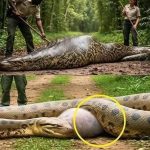
The crisis began quietly when rangers discovered a motionless anaconda lying along the muddy edge of a remote wetland. While they were accustomed to helping injured wildlife, something about this situation felt unusual from the start. The snake’s unnatural stillness and a noticeable swelling along its body suggested a deeper, unfamiliar problem.
At first, the team suspected a natural illness or injury. But as they observed the anaconda struggling to breathe and move, it became clear that the situation was urgent. The swelling indicated that a large foreign object might be lodged inside, and the animal’s weakening condition left little time for hesitation.
Approaching such a powerful creature required patience and care. Even weakened, the anaconda posed risks to itself and the rescuers. The team worked calmly, studying its movements and carefully examining the affected area.
When they confirmed the obstruction was man-made, the situation took on new meaning. It became a stark reminder of how human waste can harm even the most remote ecosystems. Using specialized tools, the rangers worked with precision to remove the object without surgery.
Slowly, the snake regained strength. Its breathing steadied, and eventually it slipped back into the water. The rescue left the team relieved, but also aware of the lasting impact of human actions on wildlife.