admin
admin
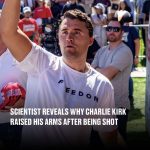
A neuroscientist analyzed the footage of Charlie Kirk’s assassination and explained why he raised his arms immediately after being shot. Rather than a conscious act, the arms-up movement was likely an involuntary defensive reflex—the body’s automatic response to sudden trauma, similar to instinctively shielding one’s head.
The expert also dismissed claims that the posture represented decorticate rigidity, a reaction seen in severe brain injury. Instead, he suggested that a catastrophic neck wound, severing major blood vessels, caused an almost instant loss of consciousness—less than half a second. This would mean Kirk had no time to register pain or comprehend what was happening.
In short, the movement of his arms was not a deliberate gesture or evidence of awareness. It was a reflex triggered by the nervous system in the final split second before unconsciousness took over—a powerful reminder of how the human body responds automatically to extreme injury.