admin
admin
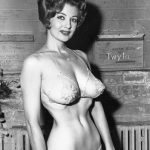
In the early 20th century, one model reshaped the world’s perception of beauty and power with her striking figure and unforgettable presence. At a time when fashion standards favored very slender silhouettes, her curvaceous hourglass shape stood out and captivated designers, photographers, and audiences alike. She became an icon not just for her looks, but for how she embodied a new ideal that celebrated natural curves as a form of strength and confidence.
Her influence wasn’t limited to print and runway. As she appeared on magazine covers, in advertisements, and in high-profile social circles, she helped shift the cultural conversation about what a desirable body looked like. Women around the world began to see diversity as part of fashion’s evolving language, and her success opened doors for future generations of models with varied shapes and sizes.
While she faced criticism and pressure from an industry that often resisted change, her legacy endures in the broader acceptance of body diversity in fashion. Today’s standards of beauty—more inclusive and expressive than ever—owe much to her trailblazing path, which proved that elegance and power come in many forms.