admin
admin
Tonsil stones, or tonsilloliths, are small calcified formations that develop in the crypts of the tonsils, where food particles, dead cells, and bacteria can get trapped. While often harmless, they can cause persistent discomfort, bad breath, and a feeling of a foreign object in the throat. Some people may also experience difficulty swallowing, throat irritation, recurrent tonsillitis, or persistent coughing.
These stones form when debris in the tonsillar crypts hardens due to calcium in the saliva. Factors such as poor oral hygiene, chronic tonsil infections, and deep tonsil crypts increase the likelihood of formation. Prevention focuses on good oral care: brushing teeth and tongue after meals, flossing, using antibacterial mouthwash, staying hydrated, and avoiding foods that easily get stuck.
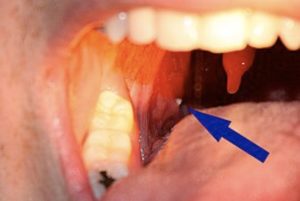
Small stones may dislodge naturally while eating or coughing, or can be removed with saltwater rinses or a water irrigator. For larger or recurrent stones, a specialist may need to remove them safely. In severe cases, tonsillectomy may be considered.